Introduction
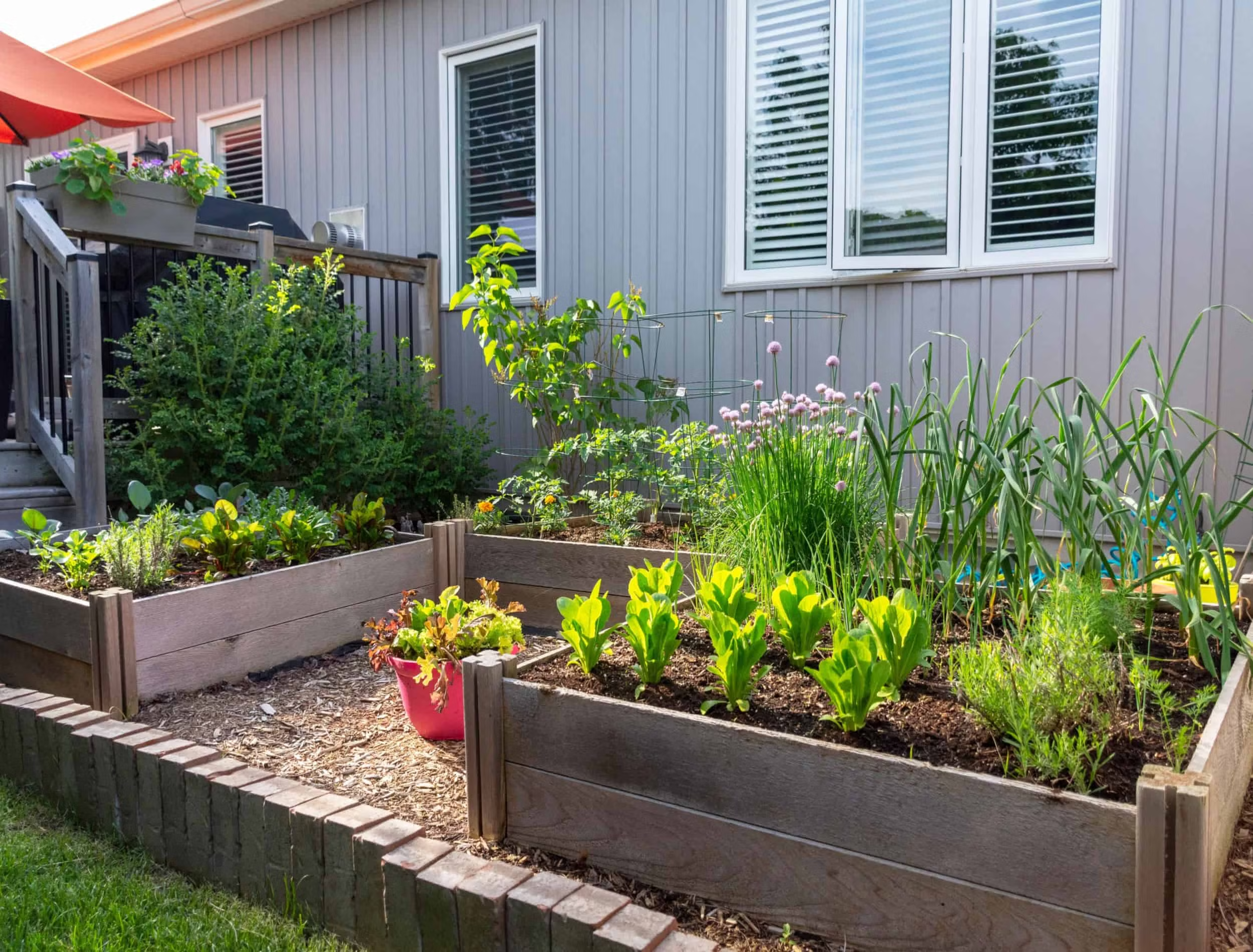
Gardening at home is not just a hobby—it’s a way to improve health, save money, and grow fresh, organic food. Even a small backyard or balcony can become a thriving garden if planned carefully. For beginners, understanding the basics of home gardening can make the process fun and successful.
Whether you want to grow vegetables, herbs, or flowers, a small garden brings numerous benefits, including reducing stress, increasing self-sufficiency, and contributing to a sustainable lifestyle.
1. Choosing the Right Location
The first step in starting a home garden is selecting the right spot. Consider these factors:
-
Sunlight: Most vegetables and flowering plants require at least 6–8 hours of sunlight daily. Observe your space to find sunniest areas.
-
Accessibility: Ensure the garden is easy to reach for watering, weeding, and harvesting.
-
Protection: Avoid locations exposed to strong winds or flooding.
Tip: If space is limited, consider vertical gardening, hanging pots, or window boxes to maximize sunlight exposure
2. Deciding What to Grow
Begin with plants that are easy to grow and maintain. Some beginner-friendly options include:
-
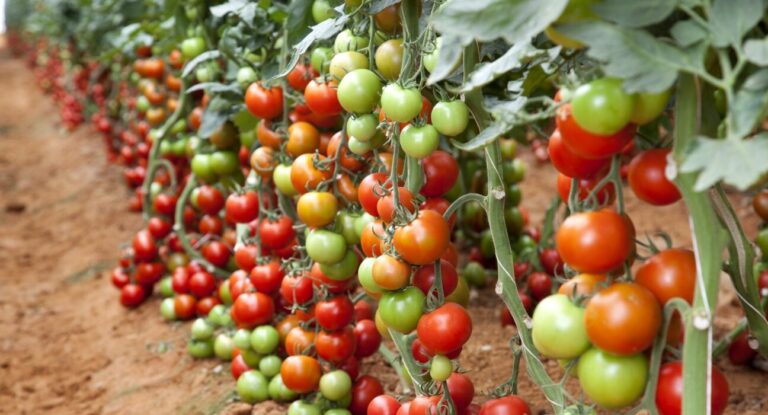
Vegetables: Tomatoes, lettuce, spinach, radishes, carrots, and peppers
-
Herbs: Basil, mint, coriander, parsley, and rosemary
-
Flowers: Marigold, sunflowers, petunias, and zinnias
Tip: Grow a mix of vegetables and herbs. Herbs can thrive in small pots and are highly useful in the kitchen.
3. Preparing the Soil
Healthy soil is the foundation of a successful garden. Steps to prepare soil include:
-
Remove weeds and debris: Clear the area of rocks, old plants, and roots.
-
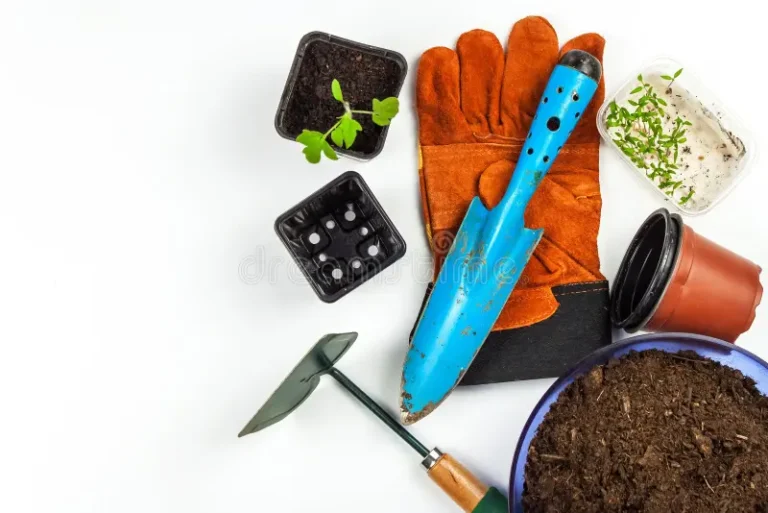
Loosen soil: Use a hoe or spade to aerate the soil and improve drainage.
-
Add organic matter: Compost or well-rotted manure enriches the soil with nutrients.
-
Check soil pH: Most vegetables grow best in slightly acidic to neutral soil (pH 6–7).
Tip: For container gardens, use a high-quality potting mix to ensure proper drainage and nutrient availability.
4. Choosing the Right Containers
For small spaces or urban gardening, containers are essential. Consider:
-
Size: Bigger containers allow for better root growth. For tomatoes, choose pots of at least 12–16 inches in diameter.
-
Material: Clay, plastic, or fabric pots are all suitable, but ensure proper drainage holes.
-
Mobility: Lightweight pots can be moved to optimize sunlight exposure.
Tip: Reuse old buckets, crates, or jars as eco-friendly planting containers.
5. Watering Techniques
Proper watering is critical for plant growth. Guidelines include:
-
Frequency: Water 2–3 times a week depending on weather and soil moisture.
-
Timing: Early morning or late afternoon reduces water evaporation and prevents leaf burn.
-
Method: Use drip irrigation, watering cans, or hoses with a gentle spray to avoid soil erosion.
Tip: Check soil moisture by inserting your finger—if the top inch is dry, it’s time to water.
6. Fertilizing Your Garden
Plants need nutrients to grow healthy and strong. Organic fertilizers are ideal for home gardens:
-
Compost: Slowly releases nutrients into the soil.
-
Vermicompost: Rich in nutrients and promotes soil health.
-
Liquid fertilizers: Can be made from diluted kitchen waste or neem extracts.
Tip: Avoid over-fertilizing, as it can damage plants and reduce yield.
7. Pest and Disease Management
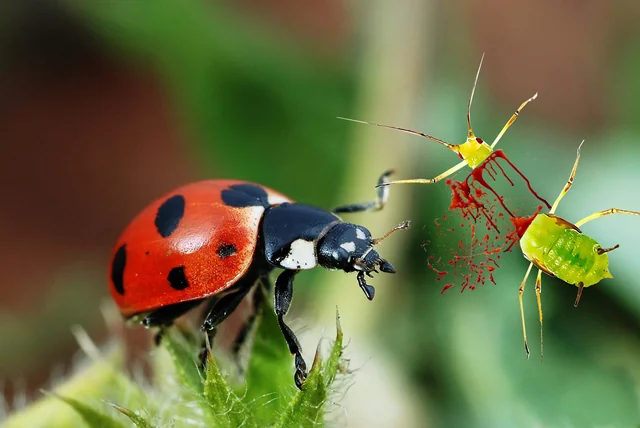
Small gardens are susceptible to pests like aphids, snails, and caterpillars, as well as fungal infections. Organic management strategies include:
-
Neem oil spray: Repels insects naturally.
-
Hand-picking pests: Effective for small infestations.
-
Companion planting: Marigolds, garlic, and basil repel harmful insects.
-
Proper spacing: Ensures good air circulation and prevents fungal growth.
Tip: Regularly inspect plants and remove diseased leaves immediately.
8. Harvesting Tips
Knowing when and how to harvest ensures the best flavor and nutrition:
-
Vegetables: Harvest leafy greens when young and tender.
-
Fruits: Pick tomatoes, peppers, and beans when fully colored but firm.
-
Herbs: Cut leaves early in the morning for maximum aroma and flavor.
Tip: Frequent harvesting encourages continuous growth in many vegetables.
9. Seasonal Gardening
Plan your garden according to the season to maximize yield:
-
Spring: Lettuce, radishes, spinach, marigolds
-
Summer: Tomatoes, peppers, basil, sunflowers
-
Fall: Carrots, broccoli, coriander, parsley
-
Winter: Leafy greens and hardy herbs
Tip: Keep a gardening calendar to rotate crops and maintain soil fertility.
10. Benefits of Home Gardening
Beyond food production, a home garden improves quality of life:
-
Health: Fresh vegetables and herbs boost immunity.
-
Mental well-being: Gardening reduces stress and increases mindfulness.
-
Environmental impact: Promotes biodiversity and reduces food miles.
-
Education: Great way to learn about plant biology, seasons, and sustainability.
Conclusion
Starting a small garden at home may seem daunting at first, but with careful planning and regular maintenance, anyone can grow fresh, organic produce. Focus on simple, beginner-friendly plants, maintain healthy soil, and monitor pests naturally. Over time, your small garden will transform into a lush and productive space, providing both food and joy.
Suggested Keywords: home gardening, small garden tips, beginner gardening guide, organic gardening at home, container gardening
About the Author