Essential Tools Every Farmer Should Have
Introduction
Farming is both an art and a science. While knowledge and experience are essential, having the right tools can significantly improve efficiency, reduce labor, and increase productivity. Whether you are a small-scale or commercial farmer, investing in essential farming tools is a smart decision.
This post highlights the most important tools every farmer should have, along with their uses, benefits, and tips for selection.
1. Hand Tools
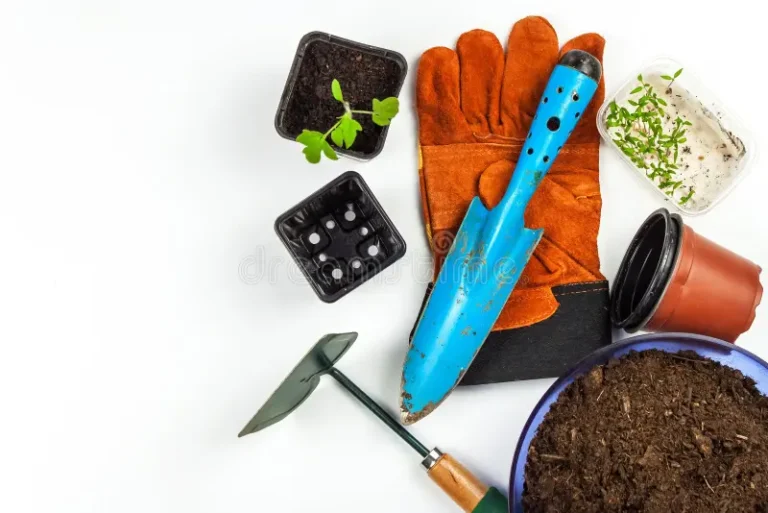
Hand tools are basic yet indispensable for any farm. They include:
a) Hoe
-
Used for weeding, soil loosening, and planting
-
Benefits: Simple, low-cost, and highly versatile
b) Spade/Shovel
-
Used for digging, turning soil, and moving compost or manure
-
Benefits: Durable and essential for soil preparation
c) Rake
-
Used to level soil, remove debris, and spread mulch
-
Benefits: Improves soil quality and simplifies planting
d) Hand Fork
-
Used for aerating soil and transplanting seedlings
-
Benefits: Reduces soil compaction and improves root growth
Tip: Choose ergonomic handles to reduce fatigue and improve efficiency.
2. Watering Tools
Water is critical for crops, and the right watering tools make irrigation easier and more effective.
a) Watering Can
-
Best for small gardens or container plants
-
Allows precise watering to avoid wastage
b) Hosepipe
-
Ideal for larger plots, provides flexibility and ease of use
-
Benefits: Reduces manual labor and ensures even water distribution
c) Drip Irrigation System
-
Delivers water directly to plant roots
-
Benefits: Saves water, reduces disease risk, and improves yield
Tip: Combine drip irrigation with mulch to maximize water efficiency.
3. Planting Tools
Planting tools make sowing seeds, transplanting, and spacing crops easier.
a) Seed Planter
-
Ensures uniform seed depth and spacing
-
Benefits: Improves germination rates and reduces labor
b) Dibber
-
Used for making holes for seedlings or bulbs
-
Benefits: Quick and efficient for small-scale planting
c) Transplanting Trowel
-
Ideal for moving seedlings from nursery beds to the main field
-
Benefits: Reduces transplant shock and improves survival rates
4. Soil and Fertilizer Tools
Healthy soil is the foundation of good crops. These tools help maintain soil fertility:
a) Soil Testing Kit
-
Measures pH, nutrient levels, and moisture
-
Benefits: Helps farmers apply fertilizers accurately and avoid overuse
b) Fertilizer Spreader
-
Distributes fertilizers evenly across the field
-
Benefits: Saves time, improves crop growth, and reduces wastage
c) Compost Turner
-
Aerates compost piles for faster decomposition
-
Benefits: Produces nutrient-rich compost efficiently
5. Harvesting Tools
Harvesting is labor-intensive, but the right tools can save time and reduce crop loss.
a) Sickles and Scythes
-
Ideal for cutting cereals, grasses, and small-scale crops
-
Benefits: Simple, cost-effective, and efficient
b) Harvesting Knives
-
Suitable for fruits, vegetables, and root crops
-
Benefits: Precise cutting reduces damage to produce
c) Harvest Baskets or Crates
-
Collect and transport harvested crops safely
-
Benefits: Reduces bruising and ensures fresh quality
6. Protective Tools and Gear
Safety is important on any farm. Protective gear helps prevent injuries and exposure to chemicals:
a) Gloves
-
Protect hands from cuts, thorns, and chemicals
b) Boots
-
Protect feet from mud, water, and sharp objects
c) Hats and Sun Protection
-
Shields farmers from harmful UV rays
d) Masks and Goggles
-
Protects from dust, pesticide exposure, and debris
7. Mechanized Tools (Optional for Large Farms)
For larger farms, mechanized tools improve efficiency and reduce labor:
a) Power Tillers
-
Prepare soil faster than manual methods
-
Benefits: Saves labor, ideal for medium to large farms
b) Mini Tractors
-
Useful for plowing, planting, and transporting materials
-
Benefits: Multi-purpose and time-saving
c) Sprayers
-
Used for pesticide and fertilizer application
-
Benefits: Ensures even coverage and reduces wastage
Tip: Choose mechanized tools according to farm size and budget to avoid unnecessary expenses.
8. Record-Keeping Tools
Maintaining farm records helps track expenses, monitor crop growth, and plan for the future:
-
Farm Logbooks or Notebooks – Record planting dates, yields, and expenses
-
Mobile Apps – Digital tracking of crops, weather, and market prices
-
Benefits: Helps improve farm management and profitability
9. Maintenance Tips for Farming Tools
Proper maintenance extends the life of farming tools and ensures efficiency:
-
Clean after use: Remove soil, mud, or plant residues
-
Sharpen blades regularly: Keeps cutting tools effective
-
Oil and lubricate: Prevent rusting of metal tools
-
Store properly: Keep tools in a dry, safe place
-
Inspect for damage: Replace worn-out parts to maintain safety
10. How to Choose the Right Tools
-
Quality over price: Invest in durable tools to avoid frequent replacements
-
Ergonomics: Tools should reduce fatigue and strain
-
Farm size: Select tools based on the scale of operations
-
Multi-purpose tools: Save money by choosing tools that serve multiple functions
Conclusion
Farming success depends not only on knowledge and labor but also on having the right tools. From hand tools and watering equipment to mechanized machinery and protective gear, each tool plays a critical role in improving productivity, reducing labor, and ensuring quality crops.
By investing in essential tools and maintaining them properly, farmers—whether small-scale or commercial—can save time, increase efficiency, and achieve sustainable farming success.
About the Author