How to Protect Your Plants from Common Pests
Introduction
Pests are one of the biggest challenges for gardeners and farmers. They can damage leaves, stems, fruits, and roots, significantly reducing crop yields. However, protecting your plants from pests doesn’t always require chemical pesticides. With the right knowledge and strategies, you can prevent infestations naturally and sustainably.
This guide covers common plant pests, their effects, and effective prevention and control methods to help you maintain healthy and productive crops.
1. Understanding Common Plant Pests
Knowing your enemies is the first step in pest management. Some common pests include:
-
Aphids: Small, soft-bodied insects that suck sap from leaves and stems, causing yellowing and curling
-
Caterpillars: Larvae of moths and butterflies that chew leaves, flowers, and fruits
-
Whiteflies: Tiny white insects that feed on sap and transmit plant viruses
-
Spider Mites: Tiny pests that cause yellowing, speckling, and webbing on leaves
-
Slugs and Snails: Feed on leaves, stems, and young seedlings, especially in moist conditions
Tip: Inspect plants regularly to detect pests early and prevent large infestations.
2. Signs of Pest Infestation
Recognizing early signs helps reduce damage:
-
Holes or chew marks on leaves and fruits
-
Yellowing, wilting, or distorted leaves
-
Sticky residues (honeydew) on leaves caused by aphids or whiteflies
-
Webbing or silk threads on leaves from spider mites
-
Slimy trails on soil or plants from slugs and snails
Tip: Early detection allows you to act quickly using natural methods, minimizing crop loss.
3. Natural Pest Control Methods
Organic methods are safer for humans, animals, and the environment:
a) Companion Planting
-
Planting certain species together can repel pests naturally
-
Examples:
-
Marigolds repel nematodes and whiteflies
-
Basil protects tomatoes from aphids
-
Garlic planted near roses reduces aphid infestation
-
b) Beneficial Insects
-
Introduce insects that prey on harmful pests:
-
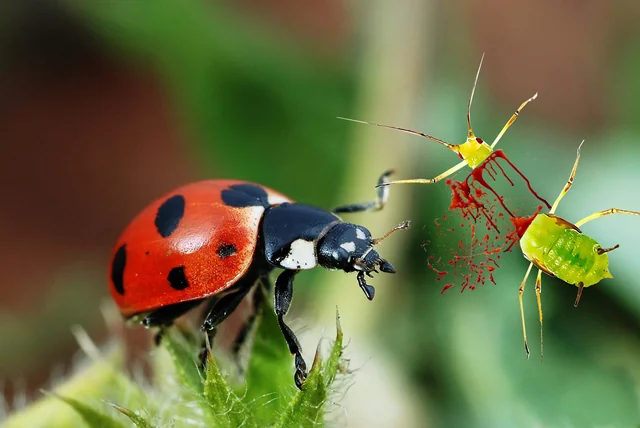
Ladybugs consume aphids and mites
-
Lacewings feed on aphids and caterpillars
-
Parasitic wasps target whiteflies and caterpillars
-
c) Homemade Sprays
-
Neem oil, garlic, and chili sprays act as natural repellents
-
Mix ingredients with water and spray on affected plants
-
Safe for edible crops and reduces chemical usage
d) Physical Barriers
-
Use nets, row covers, or sticky traps to protect crops
-
Copper barriers deter slugs and snails
4. Cultural Practices to Reduce Pest Problems
Preventive care is often more effective than treatment:
-
Crop Rotation: Prevents pest buildup in the soil by alternating crop families
-
Proper Spacing: Ensures good air circulation and reduces fungal pests
-
Regular Pruning: Removes diseased or infested parts of plants
-
Clean Garden Practices: Remove fallen leaves, debris, and old crops that harbor pests
Tip: Healthy plants are more resistant to pest attacks than stressed or overcrowded plants.
5. Soil and Water Management
Healthy soil and proper watering reduce pest problems naturally:
-
Well-Drained Soil: Prevents root rot and fungal pests
-
Mulching: Suppresses weeds and prevents soil-borne pests
-
Avoid Overwatering: Reduces the risk of fungal diseases and pests like slugs
Tip: Enrich soil with organic compost to promote strong plant growth and natural pest resistance.
6. Chemical Control (Use Sparingly)
While natural methods are preferred, chemical pesticides can be used as a last resort:
-
Choose selective pesticides that target specific pests
-
Follow recommended dosages to prevent harming beneficial insects
-
Apply in the early morning or late evening to reduce impact on pollinators
-
Always read labels and follow safety instructions
Tip: Limit chemical use to avoid pesticide resistance and environmental harm.
7. Integrated Pest Management (IPM)
IPM combines multiple strategies for effective, long-term pest control:
-
Monitoring: Regular inspection to identify pests and infestation levels
-
Prevention: Crop rotation, companion planting, and proper sanitation
-
Control: Use natural predators, traps, and minimal chemicals only when necessary
-
Evaluation: Keep records of pest problems and effectiveness of control methods
Tip: IPM reduces pesticide usage and promotes sustainable farming practices.
8. Pest-Resistant Varieties
Planting pest-resistant crops is a proactive approach:
-
Certain varieties of tomatoes, cabbage, and peppers are bred for resistance to aphids and caterpillars
-
Resistant varieties reduce the need for chemical control
-
Consult local agricultural extension offices for recommended varieties in your region
Tip: Combining resistant varieties with proper care increases yields and reduces losses.
9. Seasonal Pest Awareness
Pest activity varies with seasons:
-
Spring: Aphids, caterpillars, and whiteflies appear with new plant growth
-
Summer: Spider mites and leaf miners thrive in hot, dry conditions
-
Rainy Season: Slugs, snails, and fungal pests increase due to moisture
-
Fall: Monitor for overwintering pests and remove debris to prevent infestation next season
Tip: Adjust pest control strategies according to seasonal trends for effective management.
10. Benefits of Effective Pest Management
-
Higher Yields: Protects plants from damage, ensuring healthy growth and production
-
Cost Savings: Reduces the need for repeated chemical applications
-
Healthier Crops: Organic methods improve the quality and safety of food
-
Environmental Protection: Preserves beneficial insects and maintains ecosystem balance
Conclusion
Protecting your plants from pests is essential for a successful and sustainable garden or farm. By combining natural pest control, proper cultural practices, and careful monitoring, you can reduce crop losses, improve yields, and maintain healthy, thriving plants.
Remember, early detection, prevention, and integrated strategies are more effective than relying solely on chemicals. With patience and consistent care, your crops will flourish and produce high-quality harvests while supporting a safe and eco-friendly environment.
Suggested Keywords: plant pest control, natural pest management, how to prevent garden pests, organic pest control, integrated pest management
About the Author