Best Ways to Save Water in Agriculture
Introduction
Water is one of the most vital resources in agriculture, yet it is often wasted due to inefficient practices. With climate change and increasing water scarcity, farmers must adopt sustainable water-saving techniques to ensure consistent crop yields and protect the environment.
Saving water in agriculture is not only environmentally responsible—it also reduces costs, increases efficiency, and supports long-term farm sustainability. In this post, we’ll explore practical strategies, modern technologies, and traditional methods that can help farmers conserve water effectively.
1. Understanding Water Needs of Crops
The first step in water conservation is knowing how much water each crop requires:
-
Vegetables: Leafy greens need frequent watering, while root crops require deep but less frequent watering.
-
Fruits: Trees like mangoes and avocados require moderate irrigation, while citrus trees need more consistent water.
-
Cereals: Maize and wheat require significant water during critical growth stages like germination and flowering.
Tip: Avoid overwatering, as it wastes water and can harm plants by causing root rot or nutrient leaching.
2. Drip Irrigation Systems

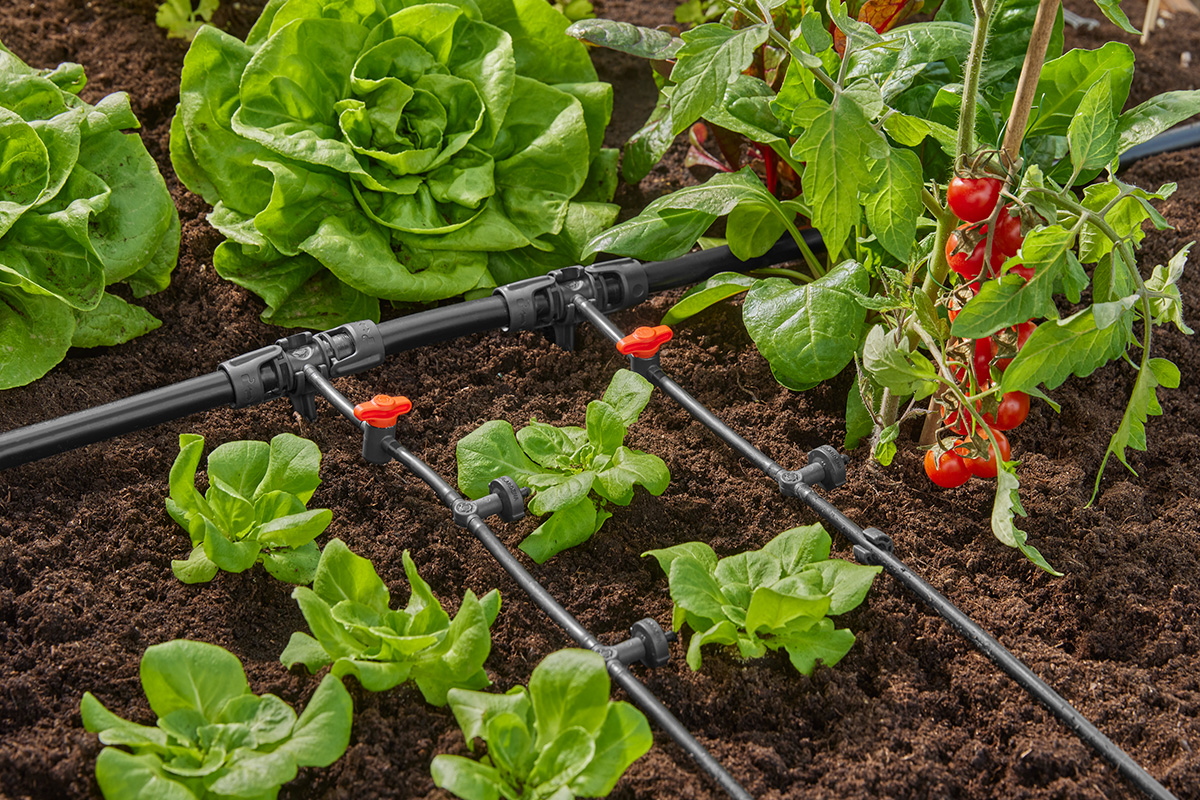
Drip irrigation is one of the most effective water-saving methods in modern agriculture. It delivers water directly to plant roots through a network of pipes, emitters, and valves.
Advantages:
-
Reduces water wastage by up to 50% compared to traditional flood irrigation
-
Minimizes evaporation and runoff
-
Enhances plant growth and yield by supplying precise water amounts
Tip: Regularly check drip emitters for blockages to maintain efficiency.
3. Rainwater Harvesting
Collecting and storing rainwater is a simple yet powerful way to supplement irrigation:
-
Install tanks, barrels, or underground cisterns to capture rainwater
-
Direct runoff from rooftops or farm structures into storage systems
-
Use stored water during dry periods or to irrigate high-value crops
Tip: Combine rainwater harvesting with drip irrigation to maximize water efficiency.
4. Mulching for Moisture Retention
Mulching involves covering soil with organic or synthetic material to reduce evaporation:
-
Organic mulch: Straw, leaves, or compost enriches soil while retaining moisture
-
Plastic mulch: Reduces evaporation and prevents weed growth
-
Benefits: Maintains soil temperature, reduces water stress, and improves soil fertility
Tip: Apply mulch 2–3 inches thick around plant bases for best results.
5. Soil Moisture Management
Proper soil management helps retain water naturally:
-
Tilling: Minimal tillage preserves soil structure and moisture
-
Organic matter: Compost or manure improves soil’s water-holding capacity
-
Cover crops: Planting cover crops protects soil from evaporation and erosion
Tip: Test soil moisture regularly with a probe or by hand to avoid overwatering.
6. Scheduled Irrigation
Irrigating based on crop needs rather than fixed schedules saves significant water:
-
Use crop evapotranspiration (ET) data to estimate water requirements
-
Irrigate during early morning or late evening to minimize evaporation
-
Adjust watering based on soil type, plant growth stage, and weather
Tip: Smart irrigation controllers can automate watering schedules for efficiency.
7. Reuse of Water
Recycling water from other sources can reduce dependency on freshwater:
-
Collect runoff from farmyards or greenhouses
-
Treat greywater from households for non-edible crops
-
Use tailwater recovery systems in fields with slope to capture and reuse excess water
Tip: Always ensure recycled water is free from harmful chemicals or pathogens.
8. Use of Drought-Tolerant Crops
Choosing crops that require less water is a long-term water-saving strategy:
-
Examples: Sorghum, millet, cassava, and certain legumes
-
Breeding and hybrid varieties can further reduce water demand
-
Rotate crops to maintain soil moisture and fertility
Tip: Combine drought-tolerant crops with water-saving irrigation for maximum efficiency.
9. Contour Farming and Terracing
These traditional methods reduce water runoff and soil erosion on slopes:
-
Contour farming: Plowing along natural land contours slows water flow
-
Terracing: Creates flat platforms on slopes, allowing water infiltration
-
Benefits: Reduces soil erosion and captures rainwater for crops
Tip: Integrate mulching and cover crops on terraced fields to enhance water retention.
10. Monitoring and Technology
Modern tools can help farmers save water more precisely:
-
Soil moisture sensors: Measure water availability in real time
-
Weather forecasting apps: Predict rainfall and irrigation needs
-
Smart irrigation systems: Automate watering based on soil and climate conditions
Tip: Technology investment may be costly initially but saves water, energy, and money in the long run.
11. Benefits of Water Conservation in Agriculture
Saving water in agriculture offers numerous benefits:
-
Environmental: Reduces depletion of water resources and protects ecosystems
-
Economic: Lowers water and energy costs, increasing farm profitability
-
Agronomic: Improves crop health, yield, and soil quality
-
Community: Ensures sustainable water supply for neighboring farms and communities
Conclusion
Water conservation in agriculture is not optional—it is essential for sustainable farming. By implementing strategies like drip irrigation, rainwater harvesting, mulching, and smart soil management, farmers can significantly reduce water wastage, improve crop productivity, and protect the environment.
Starting small and gradually incorporating modern technologies and traditional techniques ensures that every drop counts. The future of agriculture depends on how wisely we use water today.
About the Author