Crop Production – Techniques for Maximizing Yield and Profitability
Introduction
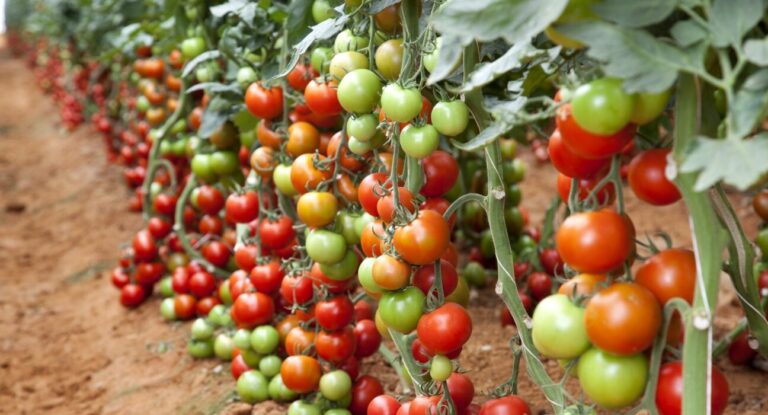
Crop production is a critical component of agriculture, food security, and economic development. It involves the cultivation of plants for food, feed, fiber, fuel, or commercial purposes. Successful crop production depends on careful planning, soil management, seed selection, pest control, and efficient resource use.
In modern agriculture, combining traditional knowledge with scientific practices ensures high yields, sustainable farming, and environmental conservation. This article explores essential principles, techniques, and strategies for effective crop production.
1. Understanding Crop Production
Crop production is the process of growing crops from land preparation to harvest, ensuring maximum yield and quality. It includes:
-
Planning: Selecting suitable crops based on climate, soil, market demand, and resources
-
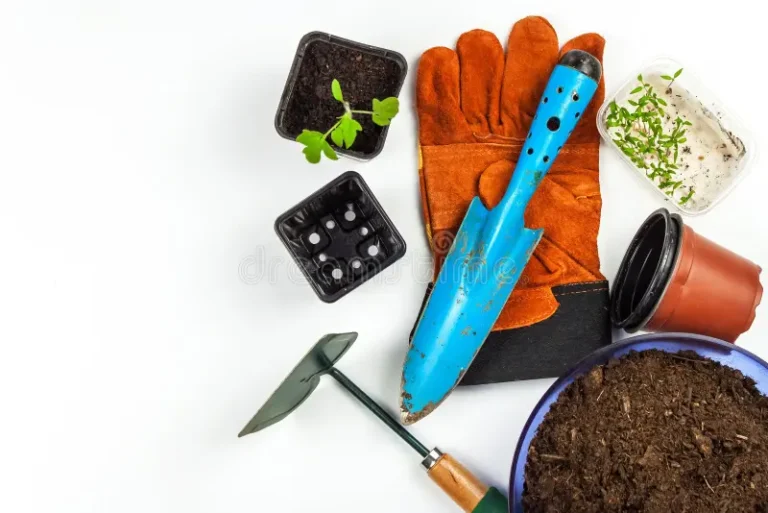
Soil Preparation: Tillage, leveling, and fertilization to create optimal growing conditions
-
Planting: Sowing seeds or transplanting seedlings with proper spacing
-
Crop Management: Nutrient application, irrigation, pest and disease control
-
Harvesting: Timely collection to ensure maximum yield and quality
Tip: A well-planned crop production cycle minimizes losses and maximizes profit.
2. Factors Affecting Crop Production
-
Soil Quality: Fertile, well-drained soil rich in organic matter supports healthy plant growth.
-
Climate: Temperature, rainfall, and sunlight influence germination, growth, and yield.
-
Water Availability: Adequate and timely irrigation ensures optimal crop performance.
-
Seeds and Varieties: High-quality, disease-resistant, and high-yielding varieties improve productivity.
-
Pest and Disease Management: Protecting crops from pests and pathogens reduces losses.
-
Farming Practices: Proper spacing, pruning, and crop rotation enhance growth and soil health.
Tip: Farmers should assess local environmental conditions before selecting crops.
3. Land Preparation and Soil Management
Proper land preparation improves soil structure, aeration, and nutrient availability:
-
Tillage: Breaking up compacted soil improves root penetration and water absorption
-
Levelling: Ensures uniform irrigation and reduces waterlogging
-
Soil Testing: Determines nutrient deficiencies and pH levels
-
Organic Amendments: Adding compost, manure, or green manure enriches soil fertility
Tip: Integrating organic and inorganic fertilizers ensures sustained productivity.
4. Seed Selection and Planting
High-quality seeds are the foundation of productive crops:
-
Certified Seeds: Ensure high germination, disease resistance, and yield potential
-
Hybrid Seeds: Offer higher yield and uniformity but may require purchased seeds annually
-
Planting Methods: Direct sowing, transplanting, or raised beds depending on crop type
-
Spacing and Depth: Adequate spacing prevents competition and promotes healthy growth
Tip: Follow recommended planting dates for your region to maximize yield.
5. Crop Nutrition and Fertilization
Proper nutrition ensures healthy crops and higher productivity:
-
Macronutrients: Nitrogen, phosphorus, and potassium are essential for growth and yield
-
Secondary Nutrients: Calcium, magnesium, and sulfur support plant structure and metabolism
-
Micronutrients: Zinc, iron, and boron are required in small quantities for proper development
-
Fertilizer Application: Split application of nutrients prevents losses and improves uptake
Tip: Soil testing helps determine the exact fertilizer requirements and avoid overuse.
6. Irrigation and Water Management
Water is essential for photosynthesis, nutrient transport, and growth:
-
Irrigation Methods:
-
Drip irrigation: Conserves water, delivers nutrients efficiently
-
Sprinkler irrigation: Uniform water distribution for small or large fields
-
Surface irrigation: Traditional method using furrows or basins
-
-
Water Scheduling: Avoid under- or over-watering to prevent stress or disease
Tip: Efficient water management reduces waste and enhances crop performance.
7. Pest, Weed, and Disease Control
Managing pests, diseases, and weeds is crucial for crop health:
-
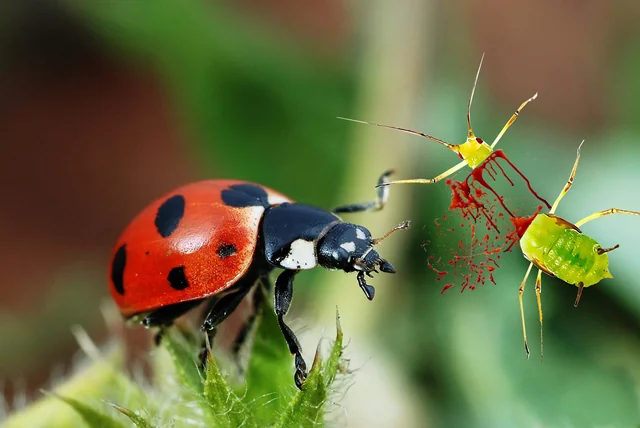
Integrated Pest Management (IPM): Combines biological, cultural, and chemical controls
-
Weed Control: Manual weeding, mulching, and selective herbicides reduce competition
-
Disease Management: Resistant varieties, crop rotation, and proper sanitation reduce infection
Tip: Regular field monitoring allows early detection and timely interventions.
8. Crop Growth Monitoring and Management
Monitoring crop growth ensures timely interventions for optimal yield:
-
Growth Stages: Track germination, vegetative growth, flowering, and fruiting
-
Deficiency Symptoms: Yellow leaves, stunted growth, or poor flowering indicate nutrient issues
-
Pruning and Thinning: Improves light penetration, air circulation, and fruit quality
Tip: Keeping a field log helps track interventions and outcomes for future planning.
9. Harvesting and Post-Harvest Management
Proper harvesting techniques preserve crop quality and reduce losses:
-
Timing: Harvest when crops reach maturity to maximize yield and nutritional value
-
Techniques: Manual or mechanical harvesting depending on crop and scale
-
Storage: Drying, cleaning, and proper packaging reduce post-harvest losses
-
Marketing: Access to markets ensures better income and reduces waste
Tip: Invest in post-harvest storage facilities to maintain quality and extend shelf life.
10. Sustainable Crop Production Practices
Sustainability ensures long-term productivity while protecting the environment:
-
Crop Rotation: Reduces soil-borne diseases and nutrient depletion
-
Intercropping: Enhances soil fertility and pest management
-
Conservation Tillage: Preserves soil structure and reduces erosion
-
Organic Farming: Uses compost, green manure, and biopesticides for eco-friendly production
Tip: Sustainable practices improve soil health, reduce input costs, and increase profitability.
Conclusion
Crop production is a complex process that requires careful planning, proper soil and water management, high-quality seeds, pest and disease control, and sustainable farming practices. By integrating scientific knowledge with traditional farming techniques, farmers can achieve high yields, better-quality crops, and sustainable profitability.
Success in crop production is not just about growing plants—it’s about creating resilient, efficient, and environmentally responsible farming systems that ensure food security and economic growth