NURSERY MANAGEMENT
What is a nursery?
Word “nursery” has several literal meanings:
►Place in which something is produced, fostered or developed
►Place for temporary care of children in absence of their parents
►Nursery School
►Baby’s room
►Infants’ room in a house
►A room or area in a household set apart for the use of children
►Building or part of building constructed especially for the rearing of animals on a largely milk diet
►Building in which plants are grown, especially for transplanting
►Place where young plants are raised e.t.c.
So, in propagation terms, nursery must be “Plant Nursery”
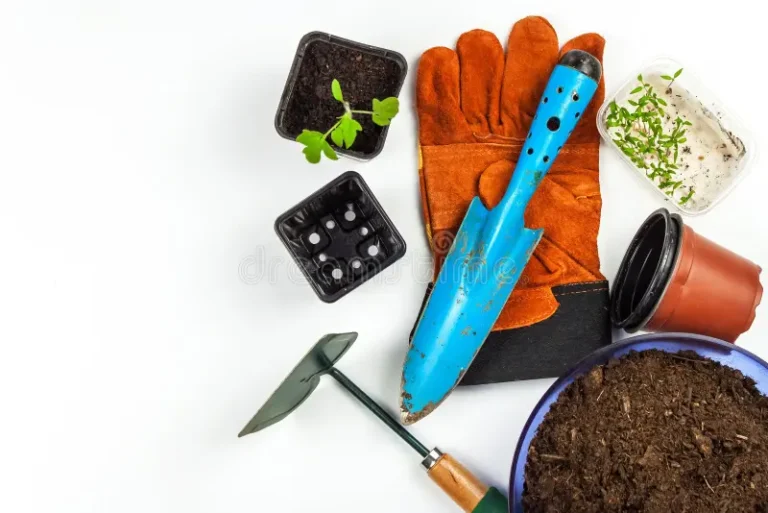
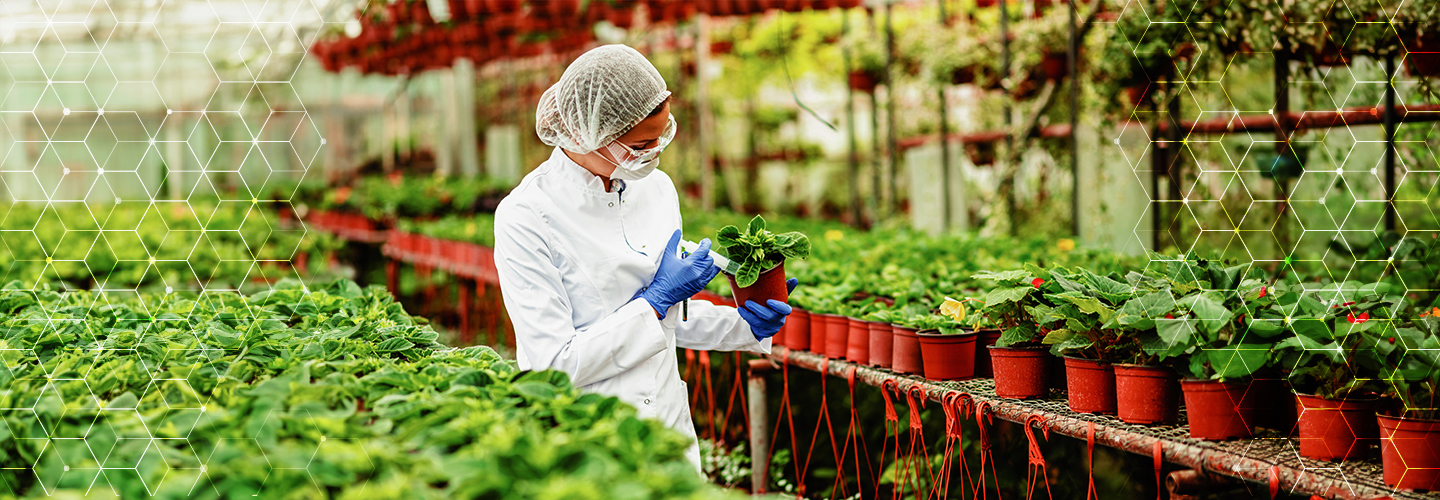
A plant nursery is a place or an establishment where young seedlings are raised and handled until they are ready for more permanent planting or for sale for propagation purposes
► A place where plants are grown for transplanting, for use as stock for budding and grafting, or for sale
► A place where plants are propagated and grown to usable size
Types of Nurseries
Nurseries are categorized in different ways.
[A] According to time duration nurseries are classified in two types:
1) Temporary nursery Developed only to fulfill the requirement of the season or a targeted project. The nurseries for production of seedlings of transplanted vegetables and flower crops are of temporary nature. Likewise, temporary arrangement for growing forest seedlings for planting in particular area can also be done in temporary nursery.
2) Permanent nursery Nursery placed permanently so as to produce plants continuously. These nurseries have all the permanent features. The permanent nursery has permanent mother plants. The work goes on continuously all the year round in this nursery.
[B] According to type of plants produced :
1) Fruit plant Nurseries: – In this nursery seedlings and grafts of fruit crops are developed.
2) Vegetable nurseries: – Seedlings of crops like cauliflower, cabbage, onion, tomato etc are prepared.
3) Flowers plants nurseries :- The seedlings of flowering plants like gerbera, carnation, petunia, salvia, rose, chrysanthemum, coleus, aster, dianthus are developed in this nurseries.
4) Forest nurseries: – The seedlings of plants useful for forestation like pine, oak, teak, eucalyptus, casuarinas are prepared and sold.
5) Miscellaneous nurseries: – In such type of nurseries plants with great economic value, rare and medicinal, herbal plants are propagated. In this nursery plants like geranium, rose, calendula, and marigold are propagated.
Advantages or Importance of raising seedlings in nursery
Intensive care
Seedlings receive better care and protection in the nursery. The average garden soil is not an ideal medium for raising seedlings especially from the point of view of soil tilth. At an early stage of development most crops require special attention that is not possible in the main field. Nurseries are small in area so easy to look after against pathogens, pests and weeds.
Reduction of costs
Raising seedlings in nursery uses much less seed than sowing directly in field which usually involves thinning, which is wasteful. Nursery enables economizing especially on expensive hybrid seeds. Pesticides and labor are also reduced
Opportunity for selection
Well grown, vigorous, uniform and disease free seedlings can be selected for the field
Early and higher income
Crop grown by nursery raising is quite early and fetch higher price in the market, so economically more profitable
Extension of short growing season
For late maturing crops, some of time that would be spent in field is spent in nursery which could be protected environment. If field conditions do not allow enough time to complete crop growth to harvest, indoor raising of seedlings artificially extends the time period to enable harvest
Optimized use of land
There is saving of land and labour as main fields will be occupied by the crops after while seedlings are being raised in nursery. More intensive crop rotations can be followed.
Relief in land preparation
More time is available for the preparation of main field because nursery is grown separately
Other advantages
- Eliminates the problem of emergence in difficult soils
- More uniform crop possible
- Higher yield possible
Management of nursery
What is plant nursery management?
It is the application of scientific techniques and practices for raising seedlings in a nursery. Begins with planning then site selection or adaptability, planting, etc; up to transplanting
Planning of nursery
One has to decide which type of nursery is to be started, durations and type of plants propagated, materials to be used, and occasional expected interventions.
Selection of site
Site is the basic requirement of a nursery. Site is a place upon which one can produce seedlings of plants. Qualities of a good site are:
1) Nearness of road
2) Near a habitat
3) Suitable climate
4) Neither shady nor exposed area
5) Sufficient sunlight
6) Good irrigation facilities
7) Good soil condition
8) Good transport facility
In-door nurseries
These are nurseries established inside a building where seedlings production is exercised. Allows highest level of intensive care to the seedlings
Outdoor nurseries These are nurseries established in the open outside whatever may have been a nursery building
Primary nursery This is a nursery where seeds are planted usually at very high density and subsequently small seedlings transplanted into a more spacious and nutrients richer medium where seedlings then grow fully
Secondary nursery Nursery into which seedlings are moved from the primary nursery. The practice of moving and transplanting very young seedlings from the primary nursery to the secondary nursery is known as Pricking out
Critical points needed to be considered while selecting nursery area are:
- Area selected should be well drained, and free from water logging
- There should be proper sunlight,
- The nursery should be near the water supply so that irrigation can be easy.
- The area should be well protected from pet and wild animals
Nursery plants require due care and attention after having either emerged from the seeds or have been raised from other sources like rootstock or through tissue culture technique.
It is the duty and main objective of the nursery grower to supply the nursery plants with suitable conditions necessary for their development and growth. This is the major work of management in the nursery which includes all such operations right from the emergence of young plantlet till they are fully grown-up or are ready for uprooting and transplanting in the main fields.
About the Author